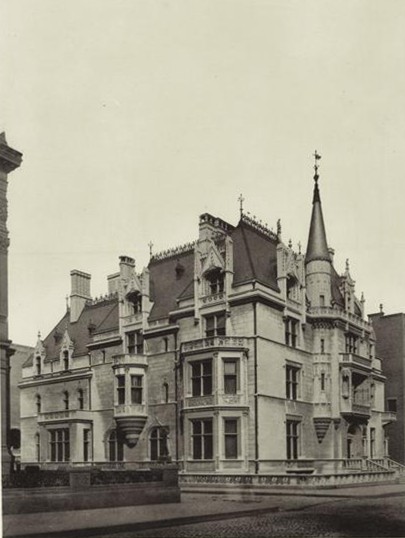
The Berkshire cottages are symbols of the Gilded Age.
A good working definition of the Gilded Age is a time when vast new wealth was disproportionately distributed into a few hands. It was 52 years in American history from the close of the Civil War to America’s entrance into World War I — a comparatively short period of time with an enormous impact on America’s socioeconomic and cultural development.
During the Gilded Age, the basis of the country’s economy shifted from farming to manufacturing. Concomitantly, Berkshire farms were bought up, combined and turned into the Berkshire cottage estates. Prior to the Civil War, England, France and Germany — in that order — were the major manufacturers. During the Gilded Age, American manufacturing was equal to that of England, France and Germany combined. Manufacturing was the basis for the vast new wealth in the United States, and throughout, it was disproportionately distributed. What we would call blue-collar workers were paid approximately $1 a day while William Henry Vanderbilt made approximately $3,000 a day — disproportionate.
So, what happened that brought the Gilded Age to a close? What happened to change Gilded Age economic elite from our first celebrities, whom everyone wanted to emulate, into the despised “robber barons”?
Some historians believe in cause and effect. Others believe it takes a confluence of events to cause change. Certainly, a confluence of events created the Gilded Age. Politically, power moved from Southern plantation owners to Northern manufacturers. Those political changes reflected economic changes that, in turn, funded the creation of the Gilded Age. Concomitantly, national transportation and banking systems were established. They created a national marketplace for the manufactured goods. It was a bonanza but there was one thing that supported the rest.
Alternatively called Social or Spencerian Darwinism, it articulated the invidious comparison. It justified the unequal distribution by not only justifying the super-rich to their wealth, but blamed the poor for their suffering.
Herbert Spencer was an English biologist and philosopher. He believed Darwin’s theory — the fittest survive and the strongest rule — could be applied to human beings. In England where ruling was a birthright — not strength or fitness — it was not overly popular. However, in the United States during the Gilded Age when the economic elite wanted to be an economic aristocracy, it was wildly popular.
Social Darwinism gained power when Social Darwinism was wedded to the church. It was Berkshire cottager and Congregational minister Henry Ward Beecher who was the most successful in accomplishing the task. Spencerian Darwinism was transformed from a natural process in which the fittest survive to a reward from God to those morally and characterologically most fit. The poor were morally inferior. They could achieve wealth if they would “pull themselves up by their own bootstraps”: Mend their ways, cure their sloth and so forth. It was a strong underpinning for disproportionate distribution.
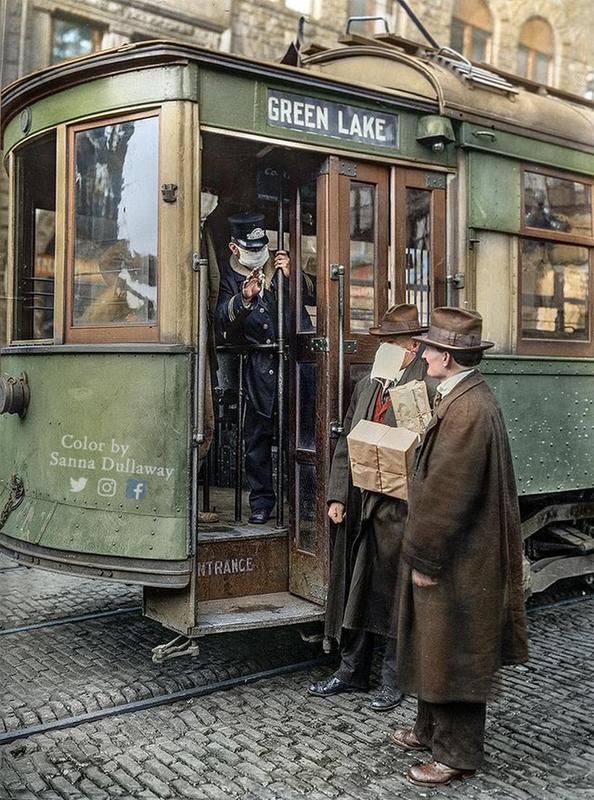
The end of the Gilded Age is also attributed to a confluence of events — war, disease, income tax and the end of the belief in Social Darwinism. That belief fell apart when death and poverty from war, disease and depression came to the middle class through no fault of their own. When World War I was followed by the Spanish Flu pandemic and the Depression, it was hard to accept that the new poor were morally unfit and hard not to acknowledge outside forces. The Gilded Age was tarnished; the economic elite became identified as robber barons, and there was acknowledgement that the system played a role.
Since the 1980s, we have experienced an increasingly disproportionate distribution of wealth. The two sides of the political argument were for and against a social safety net. There was support for the rich to get ever richer and the poor to cope. Then novel coronavirus arrived. Through no fault of their own, people who never applied for food stamps or unemployment checks got in line. Food banks were overrun, and some of the people considered themselves part of the American middle class.
This pain continues; it is a difficult time. Perhaps one good thing that will come out of it is a renewed awareness that wealth and poverty are a function of the economic structure and not a reflection of human superiority or inferiority.