About Connections: Love it or hate it, history is a map. Those who hate history think it irrelevant; many who love history think it escapism. In truth, history is the clearest map to how we got here: America in the 21st century.
You have heard the allegations. One woman is paid by the president’s attorney to remain silent about an alleged affair. Another woman is paid by the National Enquirer for her story – not to publish it but to permanently bury it. That’s interesting, but is all this something new or same old same old?
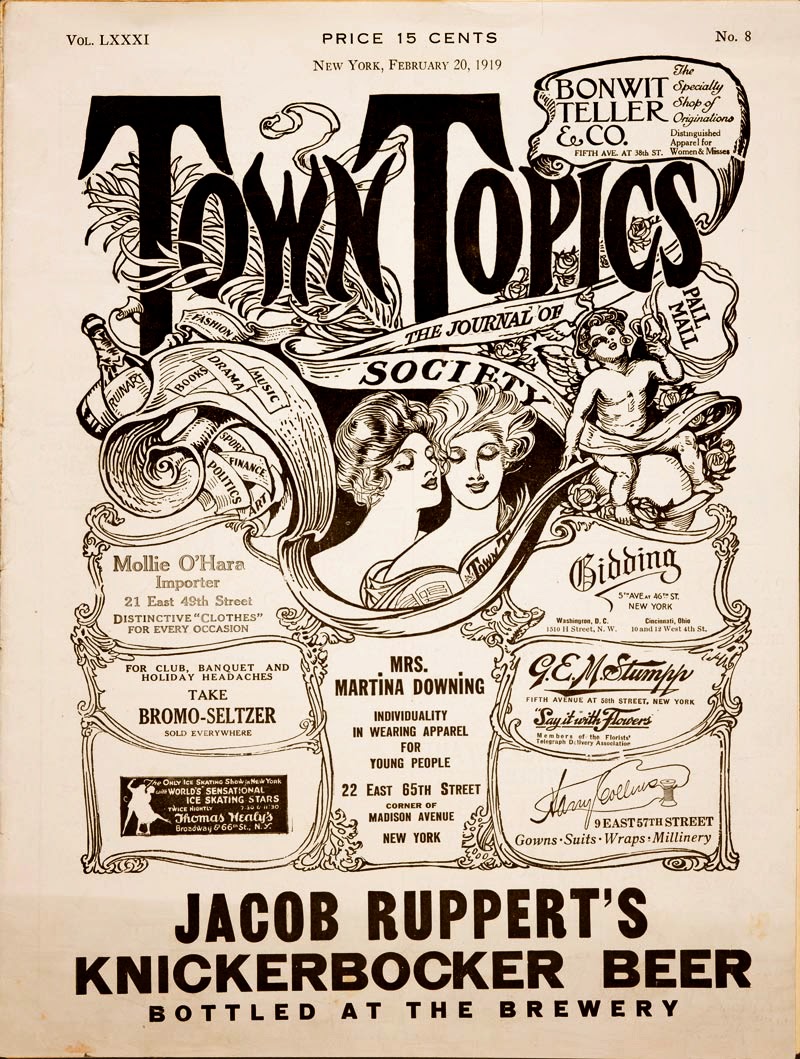
From 1879 to 1937 Town Topics: The Journal of Society was a magazine published in New York City. It first appeared under the title The American Queen. Its content was genteel; it was lofty but not lucrative. In 1885, in an effort to save it, Louis Keller, the man who founded the Social Register, was hired as editor. He changed the name to The American Queen and Town Topics, but not the content. Mere months later it was in bankruptcy, and Eugene and William Mann purchased the weekly.
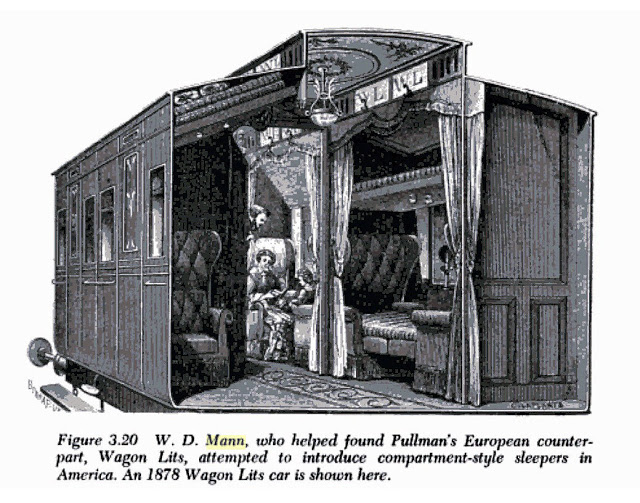
The Mann brothers arrived in New York with their pockets full of lovely lucre and a deep desire to make more. The profit came from the sale of William’s patent for the “boudoir car,” which he sold for $2,000,000.
Eugene changed the name of the magazine and the tone. He dropped the words The American Queen and any pretence to gentility. Town Topics published literature, sporting news and financial advice, but the money was in gossip. Town Topics became both a must-read and a thing no one admitted to reading. In 1891 Eugene skipped town after an obscenity charge was brought against him. William took over.
William’s first move was to declare war on the moneyed class. He wrote, “I believe that the possession of great wealth, the presence of continual luxury, and a sybaritic existence are sufficient to lead voluptuous natures into a system of sensual gratification more intensely and ingeniously base than is found in the humbler walks of life.”
Whether it was a sincere declaration of values or a rationale for what was to come, Mann went on, “The Four Hundred is an element so shallow and unhealthy that it deserves to be derided almost incessantly.” And Mann did just that with his weekly publication.
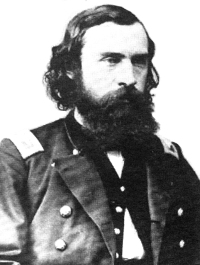
Town Topics ripened into a scandal sheet that faithfully reported peccadilloes and malfeasance in high society. Mann, whom most called the Colonel and described as looking like a kindly gentleman, gathered an army of servants, telegraph operators, hotel employees, seamstresses, grocers and disgruntled society aspirants to spy and supply the magazine with gossip. He created a column entitled Saunterings. In it he planted the most salacious bits. So what has this to do with the National Enquirer in 2018?
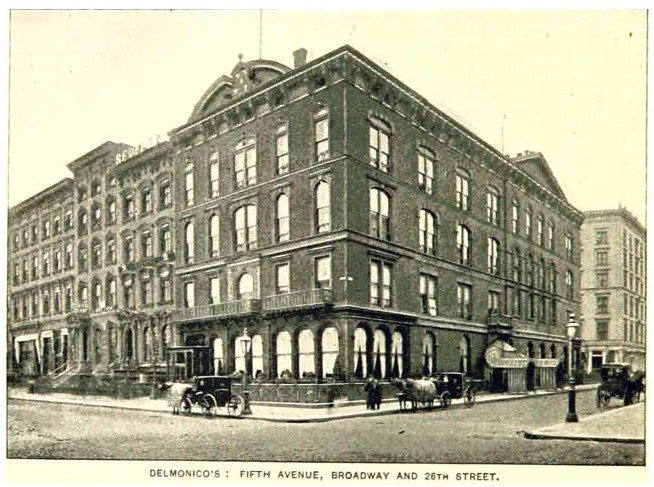
Mann took lunch daily at the same table at Delmonico’s. There or at his office, Mann received his readership. He showed them galleys of next week’s issue and, for a consideration, they could delay, edit or bury a story. Nothing so tawdry as handing Mann money, they bought an advertisement. In exchange, Mann placed the ad and cut the offending piece.
Then Mann would print it anyway. That’s right. He wrote the piece two ways. He printed an innocuous, even flattering article with the name of the individual – the “ad.” On the other side of the same page, he printed the scandal without the name. By running the two articles, one with and one without a name, Mann avoided liability for extortion or libel and still increased subscriptions. The Town Topics subscriber list grew from 5,000 to 140,000.
Here is an example of printing the dirt and avoiding the penalty: One column read, “At the Patriarchs’ Ball it was noticed that Ward McAllister devoted himself almost entirely to Lady Sykes…” On the same page another column had this: “High society has been treated to a sorry spectacle of inebriety during the last two weeks at balls and dinners, and I am glad to say that this shocking example, though unfortunately a woman, is not an American, but a specimen of British aristocracy.” Put them together and Lady Sykes is a disgraceful drunk.
When extra infusions of cash were needed, Mann published books. Each copy of “Fads and Fancies” sold for $1,500 – except for the very wicked, who paid as much as $9,000 to buy back exposure of their sins. Net profits of “Fads and Fancies” were said to be $90,000 (approximately $2.2 million today).
In 1905, Mann miscalculated. Saunterings printed a piece about Emily Post’s husband, Edwin, and his affair with another woman. He even included the address in Connecticut of the “white apartment” (early term for an apartment paid for by the man and occupied by his lover).
Mann asked for $500 (approximately $12,000 today) to kill the story. Mired in debt, Post could not pay. Post confessed to his wife. Emily Post advised her husband to contact the district attorney. The DA set up a sting. On July 11, 1905, Charles P. Ahle, Mann’s agent, appeared in Post’s Wall Street office to collect and, instead, he was arrested. Ahle was prosecuted and found guilty.
Mann dodged the bullet, but Collier’s magazine, a longtime competitor and enemy of Town Topics, wanted his blood. Collier’s published a series disclosing that Mann was paying a city judge, Joseph Deuel, to vet Town Topics. Stupidly, Deuel filed a libel suit against Collier’s.
In court, the whole sordid mess came out. Mann’s testimony was particularly self incriminating. Town Topics was wrecked as a profitable business, but limped along, evidently unprofitably, 25 more years – 12 years after Mann’s death in 1920. The fear Mann engendered in the upper crust, his power over them and the money he could exact from them were all things of the past.
Mann lost money and property:
“ALBANY, Nov. 26. — Colonel William D. Mann. editor of Town Topics, must immediately vacate Waltonian Island, in Lake George, which he has occupied for more than twenty years as a Summer home. A decision of the Supreme Court has awarded possession of the island to the State, with the costs of the action assessed against Colonel Mann.”
Perhaps it was a simpler time. Fear was engendered by possible loss of good repute. Money was paid for silence. In today’s world, it can be exposed that one is a vulgarian, an adulterer and a racketeer without consequence. How could poor Colonel William D’Alton Mann make a living in 2018?
Author’s note: To know more about Col. Mann, readers may turn to “A Short History of Rudeness: Manners, Morals, and Misbehavior in Modern America by Mark Caldwell” and “The Man Who Robbed the Robber Barons” by Andy Logan